
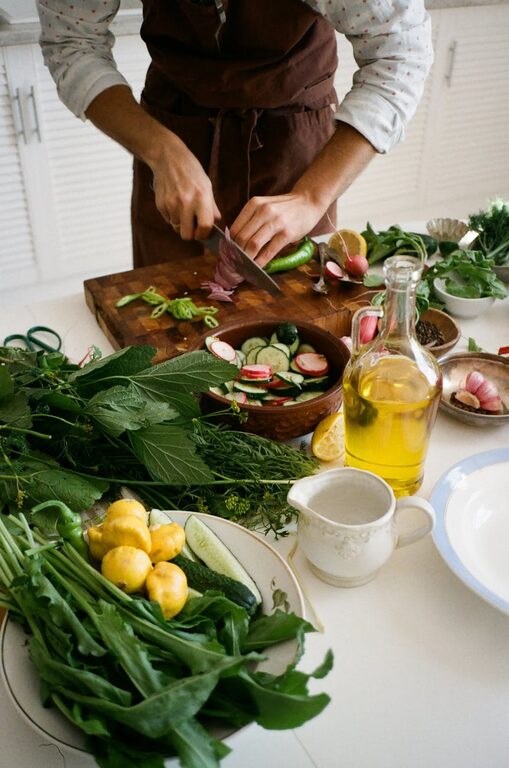
Eating balanced meals is key to feeling energized and maintaining good health. But with busy schedules and endless food choices, planning nutritious meals can sometimes feel overwhelming. The good news? You don’t need to be a chef or spend hours in the kitchen to enjoy well-balanced meals every day. With a few simple strategies, you can make meal planning easy, enjoyable, and stress-free.
What Is a Balanced Meal?
A balanced meal typically includes a variety of foods that provide the essential nutrients your body needs. This usually means:
– Protein: Supports muscle repair and growth (e.g., chicken, tofu, beans)
– Carbohydrates: Provides energy (e.g., whole grains, fruits, vegetables)
– Healthy fats: Supports brain health and vitamin absorption (e.g., nuts, olive oil, avocado)
– Fiber and Micronutrients: Helps digestion and overall well-being (e.g., leafy greens, fruits, seeds)
By combining these components, your meal can keep you satisfied and nourished.
Why Planning Matters
Without planning, mealtime can become stressful and lead to unhealthy choices, like grabbing fast food or skipping meals. Planning ahead helps you:
– Save time and money
– Reduce food waste
– Avoid last-minute stress
– Ensure balanced nutrition
Steps to Plan Balanced Meals Without Stress
1. Start with a Simple Framework
You don’t have to create a complex weekly menu right away. Start with a basic meal structure, such as:
– Breakfast: Protein + fruit + whole grain
– Lunch: Protein + veggies + whole grain or starchy vegetable
– Dinner: Protein + two types of vegetables + healthy fat
This framework makes it easier to choose ingredients and rotate meals.
2. Keep Staples on Hand
Stock your pantry, fridge, and freezer with easy-to-use ingredients. Some versatile staples include:
– Canned beans and lentils
– Frozen vegetables and fruits
– Whole grains like brown rice, quinoa, or whole-wheat pasta
– Eggs and yogurt
– Nuts, seeds, and nut butters
– Healthy oils (olive or avocado)
Having these basics ready saves time and supports quick meal prep.
3. Plan Around Your Schedule
Consider how much time you have for cooking each day. For busy days, plan simple meals or leftovers. On days when you have more time, try new recipes or prepare bigger batches.
4. Use Meal Prep Wisely
Meal prepping doesn’t have to be complicated. It can mean chopping veggies ahead or cooking grains in bulk. Even prepping a few ingredients saves time during the week.
5. Embrace Leftovers
Cook once, eat twice (or more)! Leftovers are an easy way to enjoy balanced meals without extra effort. Transform them by adding fresh greens or changing the seasoning.
6. Keep Meals Colorful and Varied
Choose a variety of colorful fruits and vegetables for different nutrients and flavors. This keeps meals exciting and more nutritious.
7. Listen to Your Hunger and Preferences
Balanced eating also means paying attention to how your body feels. Don’t force yourself to eat certain foods if you don’t enjoy them. Adjust meals based on your preferences and hunger cues.
Sample Day of Balanced Meals
Here’s an example of a simple, balanced day:
– Breakfast: Greek yogurt with fresh berries, a sprinkle of granola, and a drizzle of honey
– Lunch: Grilled chicken salad with mixed greens, cherry tomatoes, cucumbers, avocado, and olive oil dressing
– Snack: Apple slices with almond butter
– Dinner: Baked salmon with quinoa and steamed broccoli drizzled with lemon juice
Helpful Tools and Resources
– Meal planning apps: Many free apps let you save recipes and create shopping lists.
– Simple cookbooks: Look for books focused on quick, balanced meals.
– Online recipes: Use trusted websites and filter by prep time or dietary needs.
Final Tips for Stress-Free Meal Planning
– Don’t aim for perfection – progress over perfection counts.
– Keep meals simple and adjust over time.
– Include your family or housemates in planning and cooking.
– Celebrate small wins and enjoy your food!
By following these straightforward steps, you’ll create a sustainable meal planning routine that saves time and helps you eat well every day — with less stress. Happy meal planning!

