
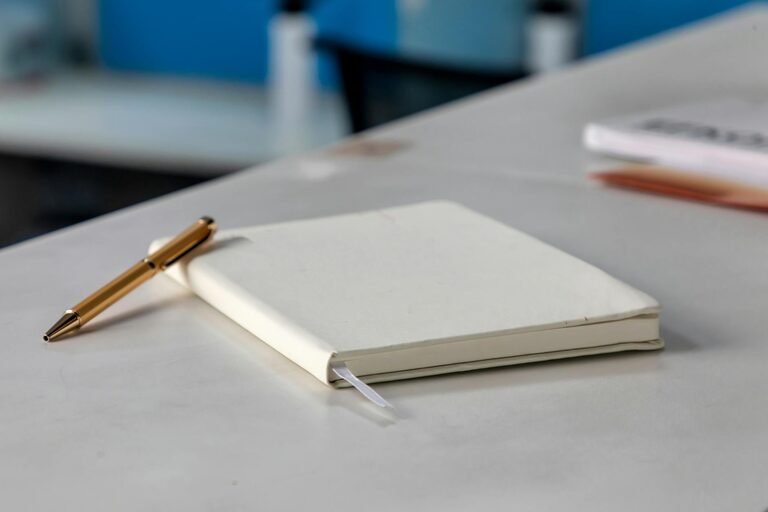
Choosing a notebook may seem like a small decision, but picking one you’ll actually use can make a big difference in your productivity and creativity. Whether you want to jot down ideas, plan your day, or keep a journal, the right notebook helps you stay organized and motivated. This guide will walk you through the key factors to consider so you end up with a notebook tailored to your needs.
Why Choosing the Right Notebook Matters
A notebook is more than just paper bound together; it’s a tool for capturing your thoughts, tracking goals, or unleashing your creativity. When you pick a notebook that suits your preferences—size, style, layout, and more—you’re more likely to use it regularly. On the other hand, a notebook that feels cumbersome or uninspiring often ends up forgotten on a shelf.
Decide on the Notebook’s Purpose
Before shopping, think about how you plan to use your notebook. Different uses may require different features.
– Journaling: Prefer smooth pages and a size that’s easy to carry.
– Work notes: Look for professional covers and layouts that help organize tasks.
– Sketching: Opt for thicker, blank or dotted pages.
– Planning: Consider notebooks with built-in calendars or bullet journal dot grids.
Knowing your primary use will guide your choices.
Choose the Right Size
Notebooks come in many sizes, typically ranging from pocket-size (around 3.5 x 5.5 inches) to large formats (8.5 x 11 inches or bigger).
– Pocket-size: Great for quick notes on the go but can feel cramped.
– Medium (A5): A popular choice that balances portability with enough writing space.
– Large (A4): Ideal if you need lots of room for notes or sketches but less portable.
Try to pick a size you will realistically carry and use daily.
Pick Your Favorite Paper Type and Weight
Paper makes a big difference in writing comfort.
– Ruled paper: Best for neat handwriting and note-taking.
– Blank pages: Perfect for sketching and creative layouts.
– Dotted or grid paper: Balances structure and freedom, popular in bullet journaling.
Paper weight affects ink bleed-through and durability. A weight of around 80–100 gsm (grams per square meter) is typical for good quality notebooks.
Consider the Binding Style
How your notebook opens and lays flat influences ease of use.
– Spiral-bound: Opens flat easily, but the spiral may catch in bags.
– Hardcover with sewn binding: Durable and often lies flat, great for daily use.
– Softcover: Lightweight and flexible but less durable over time.
Think about what feels comfortable when writing and how you store or carry the notebook.
Evaluate Additional Features
Some notebooks offer extra features that might enhance your experience.
– Page numbers: Help with organizing and referencing notes.
– Indexes or contents pages: Useful for long-term project tracking.
– Built-in pockets: Handy for storing loose papers or stickers.
– Pen loops or elastic bands: Keep your pen and notebook together.
– Perforated pages: Make it easy to tear out notes.
These extras aren’t essential but can add convenience.
Choose a Cover Design That Inspires You
A notebook’s cover might seem minor, but it influences how much you want to pick it up.
– Simple and professional: Ideal for work or study environments.
– Bright and artistic: Motivates creativity and personal expression.
– Eco-friendly materials: Appeals if you prefer sustainable products.
Whatever you choose, a cover that feels good in your hands increases the likelihood you’ll use it often.
Try Before You Buy
If possible, visit a store to see and feel notebooks firsthand. Flip through pages, test writing with your favorite pen, and check the weight. If you order online, read reviews and product descriptions carefully.
Set Realistic Expectations
Remember that even the best notebook won’t be valuable if you don’t use it consistently. Try starting with small daily or weekly commitments to write or organize your thoughts. That way, your notebook becomes a habit, and choosing the right one boosts your success.
Final Tips for Choosing and Using Your Notebook
– Don’t overthink your choice—getting started is more important.
– Consider having separate notebooks for different tasks to avoid clutter.
– Keep your notebook accessible to encourage regular use.
– Personalize your notebook with tabs, stickers, or color coding to make it inviting.
– Regularly review and declutter old notebooks to stay organized.
By paying attention to these factors, you’ll find a notebook tailored to your lifestyle and needs. When your notebook fits your habits and preferences, you’re far more likely to use it often and enjoy the process.
Happy writing!

