
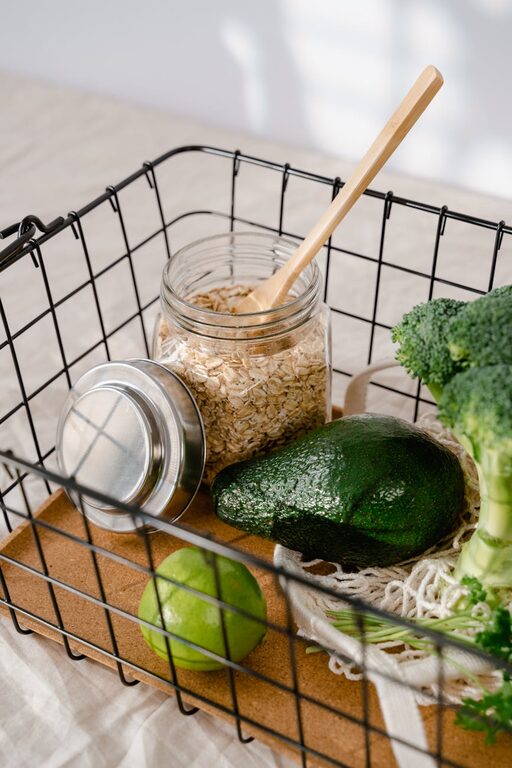
Reducing food waste at home is a simple yet impactful way to save money, conserve resources, and help the environment. Every year, tons of edible food end up in the trash due to poor planning, improper storage, or simple forgetfulness. By adopting a few mindful habits, you can significantly cut down on wasted food and enjoy fresher meals. This article explores practical strategies to reduce food waste in your household.
Why Reducing Food Waste Matters
Food waste has environmental, economic, and social consequences. When food is thrown away, all the energy, water, and labor used to produce it are also wasted. Additionally, food scraps contribute to landfill waste and the release of methane, a potent greenhouse gas.
At the home level, reducing food waste helps you:
– Save money by buying only what you need
– Make your grocery trips more efficient
– Keep your kitchen organized
– Encourage healthier eating habits
Planning Your Meals and Shopping Smart
Create a Meal Plan
One of the most effective ways to reduce food waste is through careful meal planning. Before heading to the store, decide what you will cook for the week. A well-thought-out meal plan helps you buy only the ingredients you need, reducing the chances of unused food going bad.
Make a Shopping List
Based on your meal plan, write a detailed shopping list. Stick to this list to avoid impulse buys that might not get used. Be realistic about quantities to prevent over-purchasing perishable items.
Buy in Appropriate Quantities
While bulk buying can save money, only do so if you’re sure you can consume or properly store the items. For fresh produce and dairy products, buying smaller amounts more frequently may reduce spoilage.
Storing Food Correctly
Understand Expiration Dates
Labels like “Use by,” “Best before,” and “Sell by” can be confusing. Generally, “Use by” indicates food safety and should be taken seriously, while “Best before” refers to quality rather than safety. Use your senses to judge food freshness beyond just dates.
Proper Storage Techniques
– Fruits and vegetables: Store some fruits like apples and bananas away from other produce to prevent premature ripening. Use breathable bags or containers when storing vegetables in the fridge.
– Dry goods: Keep grains, nuts, and cereals in airtight containers to extend shelf life.
– Cooked food: Store leftovers in shallow containers and refrigerate promptly, ideally within two hours of cooking.
Use Freezing to Your Advantage
Freezing is a great way to preserve surplus food. Freeze bread, meat, fruits, and even cooked meals. Be sure to label and date items so you use them in time.
Smart Cooking and Leftover Management
Cook Mindfully
Pay attention to portion sizes when cooking to avoid making more food than you can eat. Start with smaller portions and save extra for later if still hungry.
Repurpose Leftovers
Get creative with leftovers by turning them into new dishes. For example:
– Use extra vegetables in omelets or stir-fries
– Turn stale bread into croutons or bread pudding
– Transform roast chicken into sandwiches or salads
First In, First Out (FIFO)
Organize your pantry and fridge so older items are visible and used before newer ones. This simple technique prevents food from getting lost at the back and spoiled.
Composting: A Last Resort for Food Scraps
Even with careful planning, some scraps are inevitable. Instead of throwing them in the trash, composting is an eco-friendly way to recycle food waste.
What to Compost
– Vegetable and fruit peels
– Coffee grounds and tea bags
– Eggshells
– Bread and grains (in small amounts)
Avoid composting meat, dairy, and oily foods, as they can attract pests.
Composting Methods
– Backyard compost bin: A simple bin in your garden allows organic matter to decompose naturally.
– Vermicomposting: Using worms to break down food scraps is a great option for indoor composting.
– Community composting: Some areas offer compost drop-off sites or pickup services.
Composting reduces landfill waste and creates nutrient-rich soil suitable for gardening.
Educate Everyone in Your Household
Reducing food waste requires effort from all household members. Educate family or roommates about food storage, meal planning, and using leftovers. Encourage a culture of mindful consumption and regular communication about food needs.
Final Thoughts
Reducing food waste at home is a rewarding habit that benefits your wallet and the planet. By planning meals, shopping wisely, storing food properly, using leftovers creatively, and composting scraps, you can make a significant difference. Small changes lead to lasting impact—start today and enjoy fresher food and less waste!

